Josephine Baker: A Trailblazer in Entertainment and Civil Rights
Josephine Baker was one of the most remarkable figures of the twentieth century. She achieved fame as a dancer, singer, and actress, but her influence extended far beyond the entertainment industry. Through her artistic achievements, courageous work during World War II, and dedication to civil rights, Baker became a symbol of talent, resilience, and social progress.
Born Freda Josephine McDonald on June 3, 1906, in St. Louis, Missouri, Baker grew up in poverty and faced racial discrimination from an early age. Seeking better opportunities, she joined traveling performance groups as a teenager and eventually moved to New York City, where she became involved in the Harlem Renaissance, a cultural movement that celebrated African American art, music, and literature.
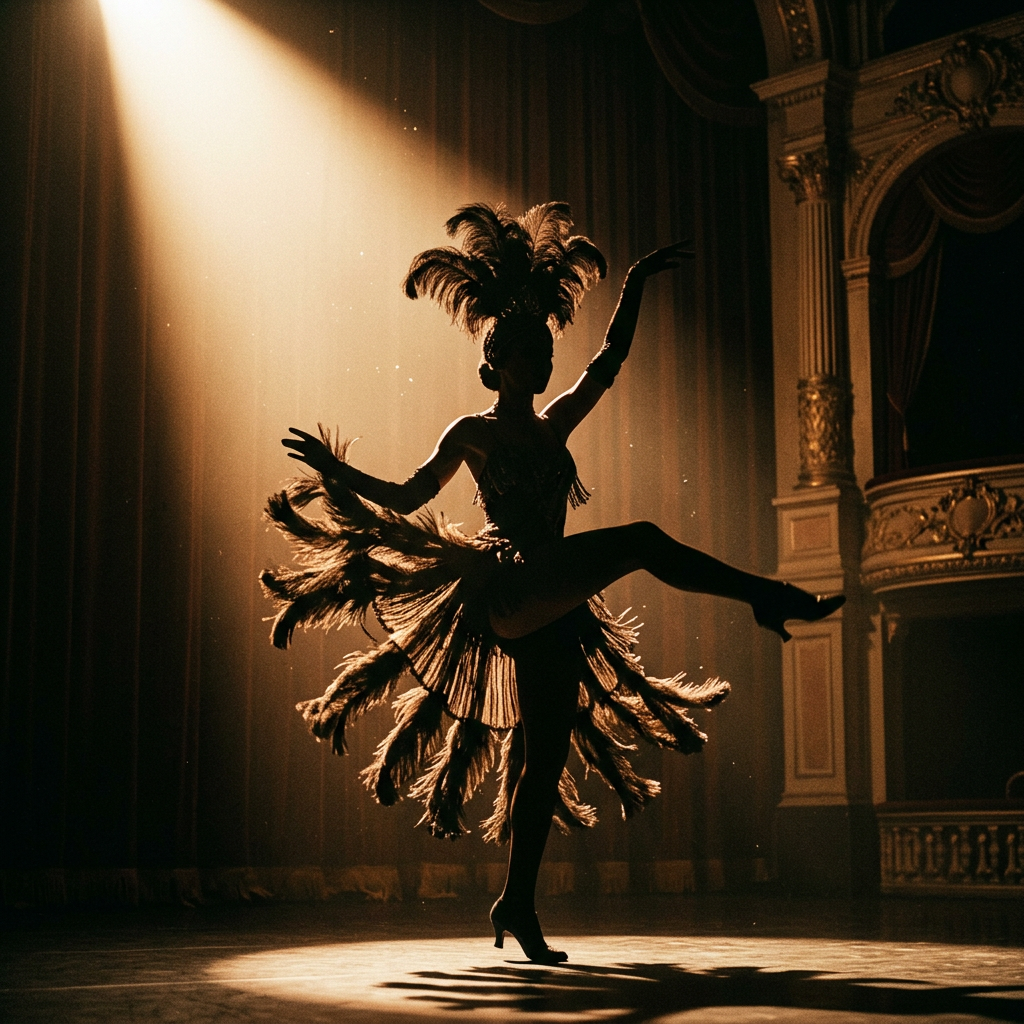
In 1925, Baker moved to France, where she quickly gained international fame. Parisian audiences admired her unique dancing style, charisma, and stage presence. She became especially famous for her performances at the Folies Bergère and was regarded as one of Europe’s most popular entertainers. Unlike in the United States, where racial segregation limited opportunities for Black performers, France offered Baker greater recognition and respect.
During World War II, Baker used her celebrity status to support the French Resistance. She carried secret messages hidden in musical scores and used her international travels to gather intelligence for Allied forces. Her bravery earned her several honors from the French government, including the Croix de Guerre and the Legion of Honor, two of France’s highest distinctions.
After the war, Baker became an outspoken advocate for civil rights. She opposed racial segregation and refused to perform for segregated audiences. In 1963, she participated in the March on Washington alongside Dr. Martin Luther King Jr., making her one of the few women to speak at the historic event. Baker believed strongly in equality and worked tirelessly to challenge prejudice and discrimination.
Another notable aspect of Baker’s life was her adoption of twelve children from different ethnic and religious backgrounds. She called them her “Rainbow Tribe” and hoped they would demonstrate that people from diverse cultures could live together peacefully and harmoniously.
Josephine Baker died in Paris on April 12, 1975, but her legacy continues to inspire people around the world. She is remembered not only as a pioneering entertainer but also as a war hero and civil rights activist. Her life demonstrates how determination, courage, and compassion can be used to overcome obstacles and create lasting change.
In conclusion, Josephine Baker was far more than a performer. She broke racial barriers, served her adopted country during a time of war, and fought for justice and equality throughout her life. Her achievements have secured her place in history as a true pioneer whose influence extends well beyond the stage.
Leave a Reply