Ten years ago I wrote the following:
The literary and painting traditions have long been based upon following trends, styles and forms of expression in each successive epoch, and many art academies and literature arts schools are still recommending that students study and mimic famous artists and writers in order to better understand painting and writing. Eventually one is expected to develop one’s own signature style. But how many times removed from the original style is acceptable today? Eg. in the spirit of, in the style of, or a downright copy of another famous artist’s style? I have been copied grossly, two times that I know of. I was annoyed to begin with but soon afterwards I took it as a compliment. However, I do get impatient with authors and painters that “borrow” too much from established artists. Style-copied visual artists that come to mind include Rothko, Warhol, Pollock, Nevelson, etc. Authors get a bit more leeway (unless they grossly copy word for word, etc.). Research in regards to fictional works can be tricky, as seen by plagiarism allegations experienced by Michel Houellebecq in his prize-winning novel “La Carte et le Territoire”. With literature I am more offended by the still-taught (so-called) “rules of writing” which can subjugate young writers to generic form.
I understand that literature and painting build on historical traditions of style and technique, and that in this day and age there seems to be almost nothing left that is new and original, and also that copyright is under constant discussion in our global and digitalised world of images and texts that quickly become communal property — but damn!!! … Is the future of art and literature really so bleak that everything new is bound to have been made before? I personally stay away from reading novels when I am working on or planning a new novel, and I do not go to art exhibitions that might influence my work-in-progress. I am not afraid of being accused of copyright infringement, but I do enjoy the freedom of being unencumbered in my own active artistic development processes. Yes, I do find inspiration in techniques and philosophies promoted and used by dead and living artists. But I try not to plagiarise or copy directly. Part of the problem today is that everyone has been influenced by something or someone else artistically, whether it be images, archetypes, popular phrases or the like. The real issue is perhaps how things are used and put together in a larger oeuvre-defining context. What can I say? It’s complicated.
Here are a few of my paintings that are “inspired” by the philosophies of art movements I admire greatly (the first two by Monochromatic Minimalism, the third by Malevich (suprematism), and the fourth is a gut reaction to “Rothko-itis”:
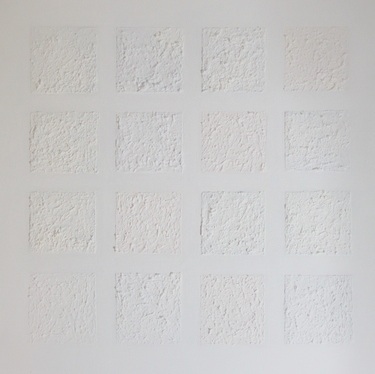

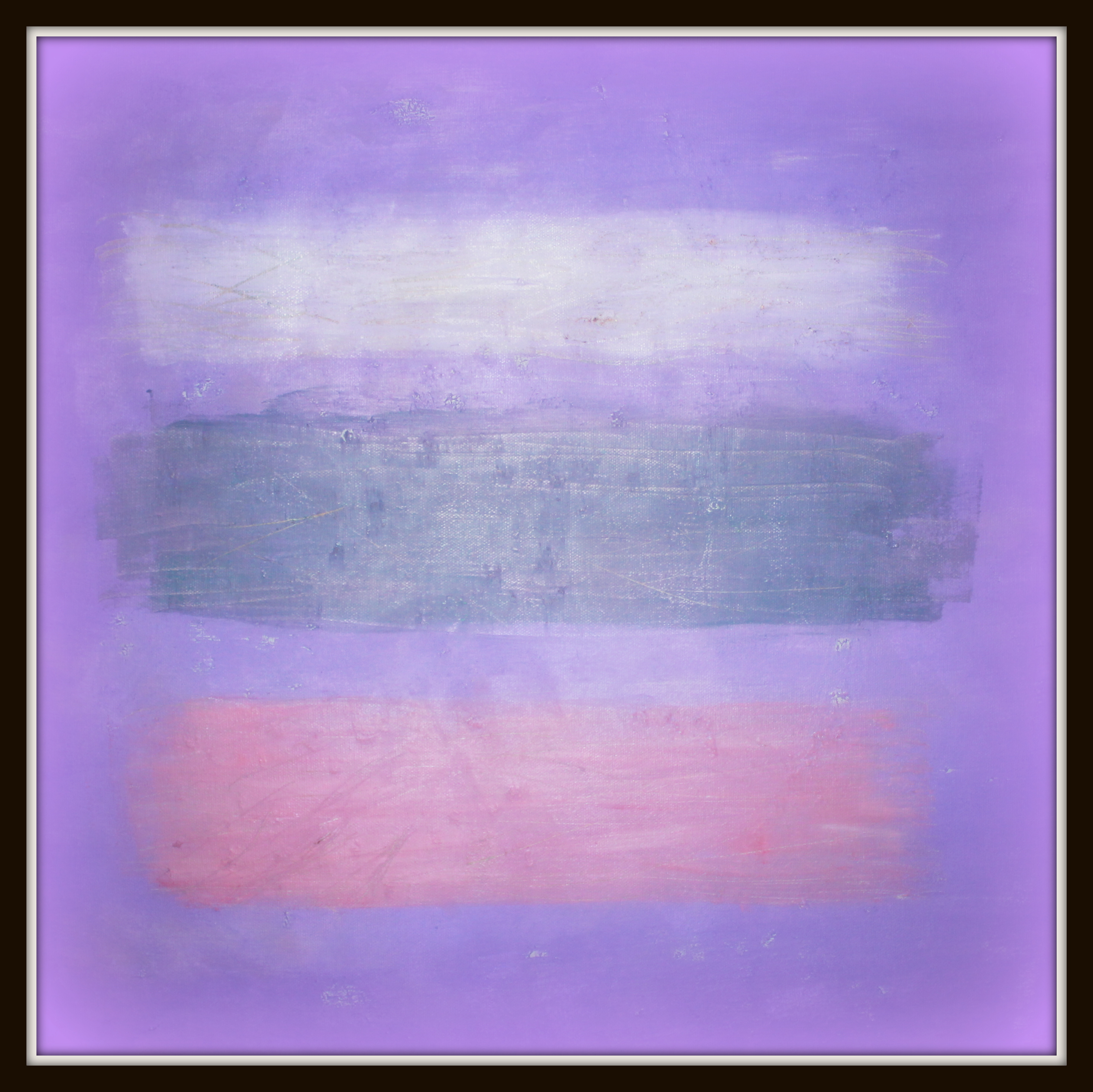
Who knows? Perhaps another artist (famous, or not) has already made these paintings without my knowledge? Perhaps I have been “tainted” or “influenced” subliminally by something I have seen on the internet (I do not watch television). I dunno. But my artistic principles and intent are clear.
But now let us consider “the rules”:
Art copyright infringement for artists
This question has begun to arise more and more, I see. A painting-style “knock-off” is no more satisfying than a Gucci handbag knock-off. The “lie” is not worth carrying around.


______________________________
Now the world looks a bit different. And so I ask:
How have the digitalization era, mass consumerism, and mass media affected “acceptance” of art plagiarism, copying, knock-offs, art forgeries etc.?
1) The internet normalized remixing
The digital age made copying visible and constant. Platforms like Instagram, TikTok, and Pinterest are built on sharing, reposting, remixing, and iterating on existing ideas. Memes, trends, and formats blur the line between “inspiration” and “copying.”
In that environment:
- Repetition feels normal rather than suspect
- Credit is often informal or absent
- Speed matters more than originality
So culturally, especially among younger audiences, there’s often less stigma around borrowing—as long as it feels participatory rather than deceptive.
2) Consumerism encourages “look for less”
Modern marketing actively promotes imitation. Fast fashion brands and mass-market retailers regularly produce “dupes” of luxury goods. Consumers are trained to see copying as:
- Practical (“why pay more?”)
- Clever (“I found a dupe”)
- Even ethical (avoiding luxury markups)
This mindset spills into art and design. Aesthetic replication—logos, styles, visual trends—gets treated more like a commodity than a violation.
3) But the art world hasn’t relaxed much
In contrast, fine art institutions and high-end markets are still strict. Forgery scandals (like those surrounding Wolfgang Beltracchi) show that authenticity remains extremely valuable. The difference is:
- Dupes are tolerated in commercial culture
- Fakes are condemned when they involve deception and financial fraud
So attitudes haven’t softened uniformly—just split into different categories.
4) “Style copying” is the gray zone
One big shift is around copying style rather than specific works. Digital tools and even AI systems can mimic aesthetics associated with artists like Andy Warhol or Banksy without reproducing a specific piece.
Here, public opinion is divided:
- Some see it as homage or evolution
- Others see it as exploitation
This debate is intensifying with generative AI.
5) Marketing reframes originality
Branding today often values recognizability over originality. Trends spread fast, and being “on trend” can matter more than being first.
That subtly lowers the cultural premium on uniqueness.
Bottom line
Yes—digital culture and consumerism have made people more comfortable with certain kinds of copying, especially:
- Remixing
- Trend-following
- Affordable imitation (“dupes”)
But there’s still a strong boundary:
- Accepted: remixing, inspiration, stylistic borrowing
- Contested: AI mimicry, uncredited replication
- Rejected: intentional forgery and deception
So it’s not that society stopped caring about originality—it just redefined where the line is drawn.
Copyright law vs. Trademark vs. Design rights
The law hasn’t “relaxed” as much as culture has—it’s more that existing frameworks are being stretched in ways they weren’t designed for. Here’s how the main areas try (and often struggle) to keep up:
1) Copyright: protects expression, not ideas or style
Copyright law (shaped by agreements like the Berne Convention) protects original works—paintings, photos, music, etc.—but only their specific expression.
What it covers:
- A particular painting, photo, or song
- Exact or substantially similar reproductions
What it doesn’t cover well:
- General style (“paint like Claude Monet”)
- Trends or aesthetics
- Broad concepts (“minimalist line drawings,” “lo-fi beats”)
That’s why:
- Copying a specific artwork = usually infringement
- Copying a vibe = often legal
Courts rely on fuzzy tests like “substantial similarity,” which become messy in digital contexts where remixing is constant.
2) Fair use / fair dealing: the pressure valve
Systems like U.S. “fair use” allow limited copying for:
- Commentary
- Parody
- Education
- Transformation
A key modern idea is “transformative use”—whether the new work adds something meaningfully new.
This concept has been central in disputes involving appropriation artists like Richard Prince, whose work often reuses existing images. Courts have sometimes sided with him, sometimes not—showing how subjective the standard is.
In the digital age:
- Memes often qualify as transformative
- Influencer reposting often does not (but goes unenforced)
So the law allows remixing—but only under ambiguous conditions.
3) Trademark: protects brands, not creativity
Trademark law is about consumer confusion, not originality.
It protects:
- Logos
- Brand names
- Distinctive visual identity
Example: Nike can stop someone from selling shoes with a confusingly similar swoosh—but not from making a shoe that looks similar overall.
This is why “dupes” thrive:
- They avoid logos
- They mimic the look
As long as consumers aren’t misled about the source, it’s often legal.
4) Design rights & trade dress: limited and patchy
Some regions offer extra protection for product appearance:
- EU design rights
- U.S. “trade dress”
But these are:
- Hard to enforce
- Time-limited
- Narrowly defined
Fast fashion and mass production move faster than legal processes, so copying often outpaces enforcement.
5) Fraud and forgery: still strictly illegal
This is the one area with zero tolerance.
Selling a fake painting as an original—like the scandals involving Wolfgang Beltracchi—falls under:
- Fraud
- Criminal law
Here the issue isn’t copying—it’s deception for financial gain. That boundary remains firm.
6) Where the law is breaking down: AI and scale
Modern challenges the law wasn’t built for:
a) Training on massive datasets
AI systems trained on millions of images raise questions like:
- Is training itself copying?
- Is output derivative or new?
Ongoing cases (e.g., involving Getty Images vs AI firms) are trying to define this.
b) Style mimicry at scale
You can now generate thousands of images “in the style of” a living artist instantly.
Legally:
- Usually allowed (style ≠ protected)
Culturally: - Increasingly controversial
c) Enforcement collapse
Even when infringement is clear:
- It’s global
- It’s fast
- It’s hard to police
So practical enforcement is weaker, which feels like relaxed norms.
7) The real shift: law vs. culture diverging
What’s changed isn’t just the rules—it’s how often they’re:
- Ignored
- Unenforced
- Socially renegotiated
Cultural norms now often say:
- “Credit matters more than permission”
- “Participation matters more than originality”
Legal systems still say:
- “Permission matters”
- “Ownership is enforceable”
Bottom line
- The legal framework hasn’t fundamentally loosened
- But its boundaries are easier to skirt and harder to enforce
- Meanwhile, culture—shaped by platforms and consumerism—has become more tolerant of copying in everyday contexts
That gap between law and lived behavior is where most of today’s tension sits.
Examples and scenarios: fashion dupes vs. art plagiarism vs. AI-generated images: (a) what people generally think and (b) what the law actually says
1) Fast fashion “dupes” of luxury designs
Think of a cheaper brand making a bag that looks very similar to one from Louis Vuitton.
Cultural reaction:
- Widely accepted, even celebrated (“found a dupe!”)
- Seen as savvy consumption rather than theft
Legal reality:
- Usually legal if:
- No logo is copied
- No consumer confusion about the brand
- Trademark law protects branding, not general design
- Design protections exist but are narrow and slow
Takeaway:
This is the clearest case where consumerism normalized copying faster than the law expanded to stop it.
2) Reposting artwork on social media
Someone reposts an illustrator’s work on Instagram without credit.
Cultural reaction:
- Mixed:
- Some see it as harmless sharing
- Others call it theft if uncredited
Legal reality:
- Usually copyright infringement
- No automatic “it’s online so it’s free” exception
- Credit ≠ permission (legally speaking)
Why it still happens:
- Enforcement is impractical at scale
- Platforms reward sharing over ownership
Takeaway:
Illegal but normalized—a perfect example of culture drifting away from law.
3) Memes and remix culture
Using a movie still or celebrity image to make a meme.
(Imagine a still from a film featuring Leonardo DiCaprio turned into a reaction image.)
Cultural reaction:
- Fully accepted
- Seen as participatory and creative
Legal reality:
- Often falls under fair use (especially parody or commentary)
- But not guaranteed—depends on context
Why it works:
- Memes usually transform meaning
- They’re non-commercial (most of the time)
Takeaway:
A case where the law partially adapted via “transformative use,” aligning somewhat with culture.
4) Copying an artist’s style (human-made)
An artist creates new work clearly “in the style of” Banksy.
Cultural reaction:
- Divided:
- Acceptable as homage or learning
- Criticized if it feels exploitative
Legal reality:
- Generally legal
- Style is not protected under copyright
Exception:
- If it’s marketed in a misleading way (“this is Banksy”) → fraud/trademark issues
Takeaway:
This is a legal gray zone culturally, but not legally—the law is quite permissive here.
5) AI-generated “in the style of X”
Prompt: “Generate an image in the style of Hayao Miyazaki.”
Cultural reaction:
- Increasingly controversial
- Many artists see it as unfair appropriation
Legal reality (still evolving):
- Style imitation itself → usually legal
- Training on copyrighted images → under active litigation
- Outputs rarely count as direct infringement unless very close copies
Cases involving companies like Getty Images are trying to define this boundary.
Takeaway:
Law is behind culture here—this is the most unstable frontier.
6) Selling forged fine art
Creating a fake painting and selling it as an original (like scandals involving Wolfgang Beltracchi).
Cultural reaction:
- Universally condemned
Legal reality:
- Clearly criminal fraud
- Severe penalties
Takeaway:
This boundary hasn’t moved at all—deception is the red line.
7) Influencers “borrowing” designs or content
A small creator’s design is copied by a larger influencer or brand.
Cultural reaction:
- Often backlash if exposed
- But also common and sometimes ignored
Legal reality:
- If it’s a direct copy → likely copyright infringement
- But:
- Hard to prove
- Expensive to enforce
Takeaway:
Power dynamics matter more than legal clarity in practice.
The pattern across all examples
Widely accepted (even if legally shaky)
- Reposting
- Trend imitation
- Commercial “dupes”
Socially debated
- Style copying
- AI-generated art
Clearly rejected
- Forgery and deception
The deeper shift
What’s really changed isn’t just behavior—it’s how people define “wrong”:
- Old model:
→ Copying itself is suspicious - New model:
→ Intent + context matter more than copying itself- Is it deceptive?
- Is it exploitative?
- Is it credited?
- Is it participatory?
That’s why:
- A meme = fine
- A dupe = clever
- A forgery = unacceptable
Even though all involve copying in some form.

— Adam Donaldson Powell + ChatGPT

Leave a Reply