Pip: Welcome to osoparavos.com, where the questions are bigger than the answers and the answers arrive in whichever language they feel like.
Mara: Today we’re sitting with one extended meditation from Adam Donaldson Powell on what it actually means to write poetry across languages — who chooses the idiom, and what’s at stake when the poem itself pushes back.
Pip: Let’s start with the poem that refuses to be translated.
When the Poem Chooses Its Own Language
Mara: The essay opens with a distinction that sounds small but isn’t — the difference between choosing a language for your poem and letting the poem tell you which language it wants.
Pip: The post frames it directly: “The poem tells me which language it wishes to inhabit.” That’s the hinge the whole essay turns on.
Mara: And the stakes are real. The first position treats language as a decision — a tool you pick up. The second treats it as discovery. The essay argues those two stances produce fundamentally different poems.
Pip: Language as a vessel you pour a finished thought into, versus language as something that participates in the making. That’s not a small distinction — that’s the whole job description rewritten.
Mara: The essay invokes Steiner, Kundera, and Heaney as thinkers who circled this territory, then identifies the gap none of them quite filled: what if languages don’t just say things differently, but discover different things entirely?
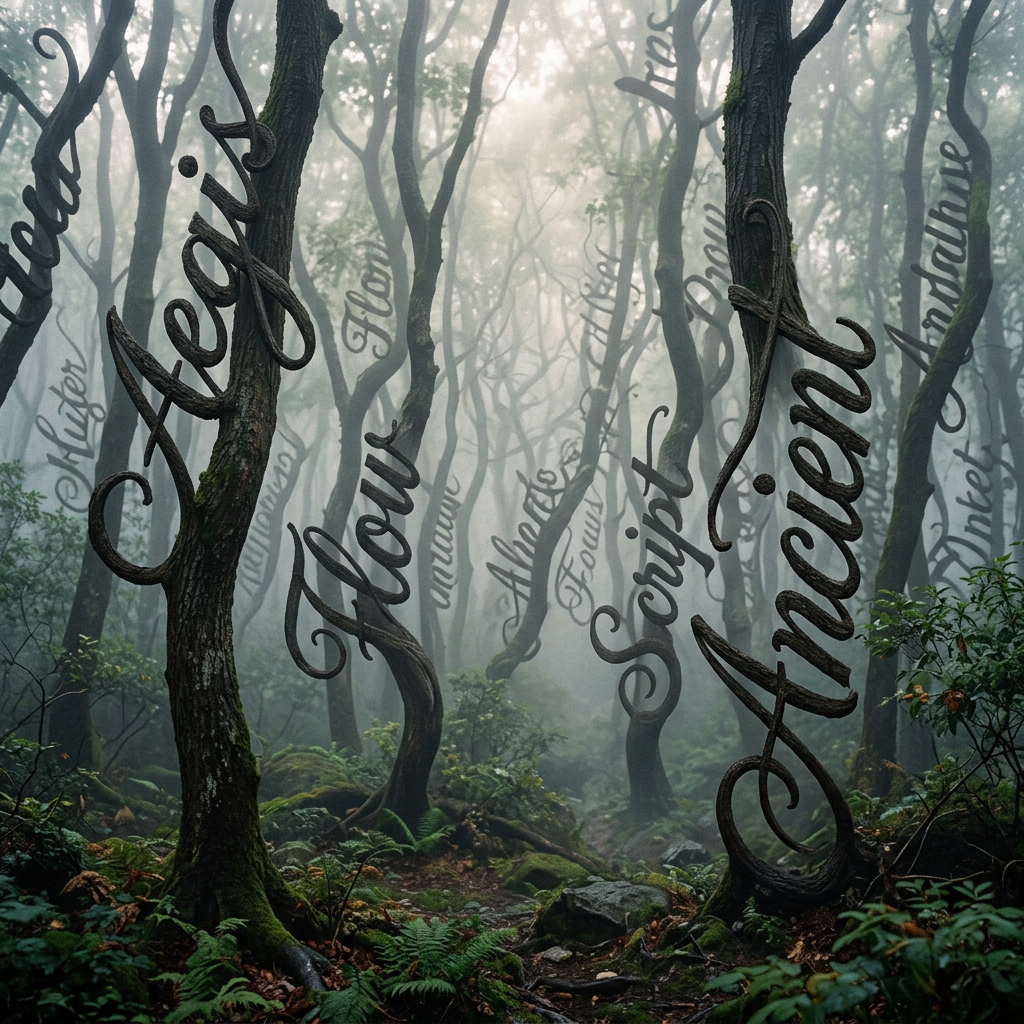
Pip: Which is where the framework section earns its keep. Languages as landscapes rather than tools or lenses — because a landscape changes the way you walk.
Mara: The essay maps tendencies: English encourages stride, French balance, German architecture, Spanish gesture, Nynorsk listening. Not absolute rules, the essay is careful to say, but poetic tendencies worth attending to.
Pip: And then it goes somewhere more specific. The essay argues vocabulary is actually the least interesting difference between languages — the important differences are habits of attention.
Mara: “What does this language notice? What does it ignore? What kinds of silence are natural here?” Those are the diagnostic questions. Verbs, the essay suggests, reveal a civilisation. The same noun — a river — meets mountains in Norwegian poetry, trade in Dutch, desert in Arabic.
Pip: So the same image carries different imaginative weight depending on the ecosystem it lands in. That’s not a translation problem. That’s a thinking problem.
Mara: The essay closes with a striking proposition: sometimes the highest respect for a poem is not translating it at all — or delaying translation, letting readers meet the original first. Radical, the essay calls it, in an age that expects immediate accessibility.
Pip: Which leaves the next question sitting right there — what new processes does writing across languages actually demand?
Mara: The essay ends with a commitment: new approaches, better command of vocabulary in each language. The work isn’t finished; it’s just more clearly defined.
Pip: A poem that knows which language it lives in — that’s worth following wherever it goes next.
Leave a Reply