— Adam Donaldson Powell + AI
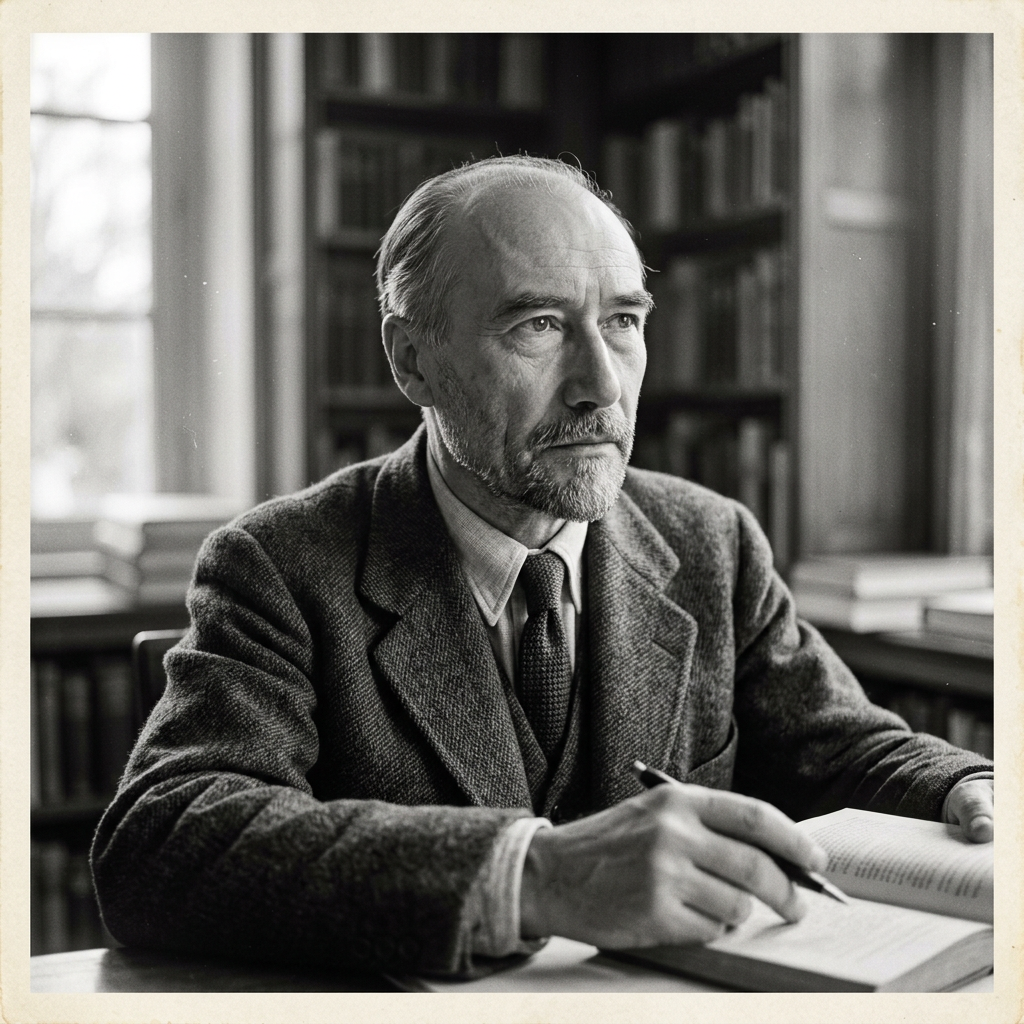
Andre Gide’s sexuality
French author and Nobel laureate André Gide (1869–1951) was openly homosexual and pederastic. His sexual identity and attitudes toward desire played a central role in both his personal life and literary career.
(en.wikipedia.org)
Key Aspects of Gide’s Sexuality (EBSCO)
- Self-Identification & Pederasty: Gide distinguished between what he called “inverts” (those attracted to mature men) and “pederasts” (those attracted to young, adolescent males). He identified strongly with the latter, drawing inspiration from classical Greek ideals of male mentorship and attraction.
- North African Awakening: In the 1890s, during travels to Algeria and Tunisia (often in the company of figures like Oscar Wilde), Gide had his first major homosexual experiences. These trips marked a decisive break from his strict Protestant upbringing and influenced works like The Immoralist (L’Immoraliste). (en.wikipedia.org)
- Unconsummated Marriage: In 1895, Gide married his cousin, Madeleine Rondeaux. However, their marriage remained unconsummated throughout their lives; Gide separated his deep spiritual and intellectual devotion to Madeleine from his physical sexual desire.
- Public Advocacy (Corydon): In 1911 (and in a widely distributed signed edition in 1924), Gide published Corydon, a series of Socratic dialogues defending homosexuality as natural and culturally enriching rather than pathological. It was a landmark text in early 20th-century French LGBTQ+ literary history, though controversial at the time. (EBSCO+ 2)
- Autobiographical Candor: In his memoirs—most notably Si le grain ne meurt (If It Die…)—and his extensive personal journals, Gide wrote openly about his sexual attraction to young men and boys, refusing to conform to the social taboos of his era.
Modern literary and historical analyses often critically examine Gide’s relationships and writings, particularly regarding power dynamics, age of consent, and colonial contexts surrounding his trips to North Africa.
Leave a Reply