The Importance of Studying Art, Literary, and Music History for Visual, Literary, and Performance Artists
Introduction
Art, literature, and music are powerful forms of human expression that reflect the experiences, beliefs, values, and emotions of people throughout history. Visual artists, literary artists, and performance artists use their creativity to communicate ideas, tell stories, challenge society, and preserve cultural traditions. However, to create meaningful and innovative works, artists need to understand the artistic and cultural achievements of the past. Studying art history, literary history, and music history provides artists with the knowledge and inspiration necessary to develop their skills, discover their artistic identity, and contribute to the continuing growth of the arts. For visual, literary, and performance artists, learning about history is important because it strengthens creativity, develops critical thinking, preserves cultural heritage, and helps artists understand their role in society.
Understanding the Development of Artistic Expression
One of the most important reasons artists should study history is to understand how artistic expression has developed over time. Art, literature, and music have changed as societies, technologies, and human experiences have changed. By studying these developments, artists gain a deeper appreciation of the different ways people have expressed themselves.
For visual artists, studying art history introduces them to movements such as the Renaissance, Baroque, Impressionism, Cubism, and Modernism. They learn how artists such as Leonardo da Vinci and Pablo Picasso explored new techniques, perspectives, and ideas. This knowledge helps visual artists understand the foundations of drawing, painting, sculpture, photography, and other forms of visual expression.
Literary artists also benefit from studying the history of literature. By reading works from different periods, such as ancient epics, Shakespearean drama, Romantic poetry, and modern novels, writers can see how language, storytelling, and themes have evolved. The works of William Shakespeare and Maya Angelou, for example, demonstrate different approaches to character development, language, identity, and human experience.
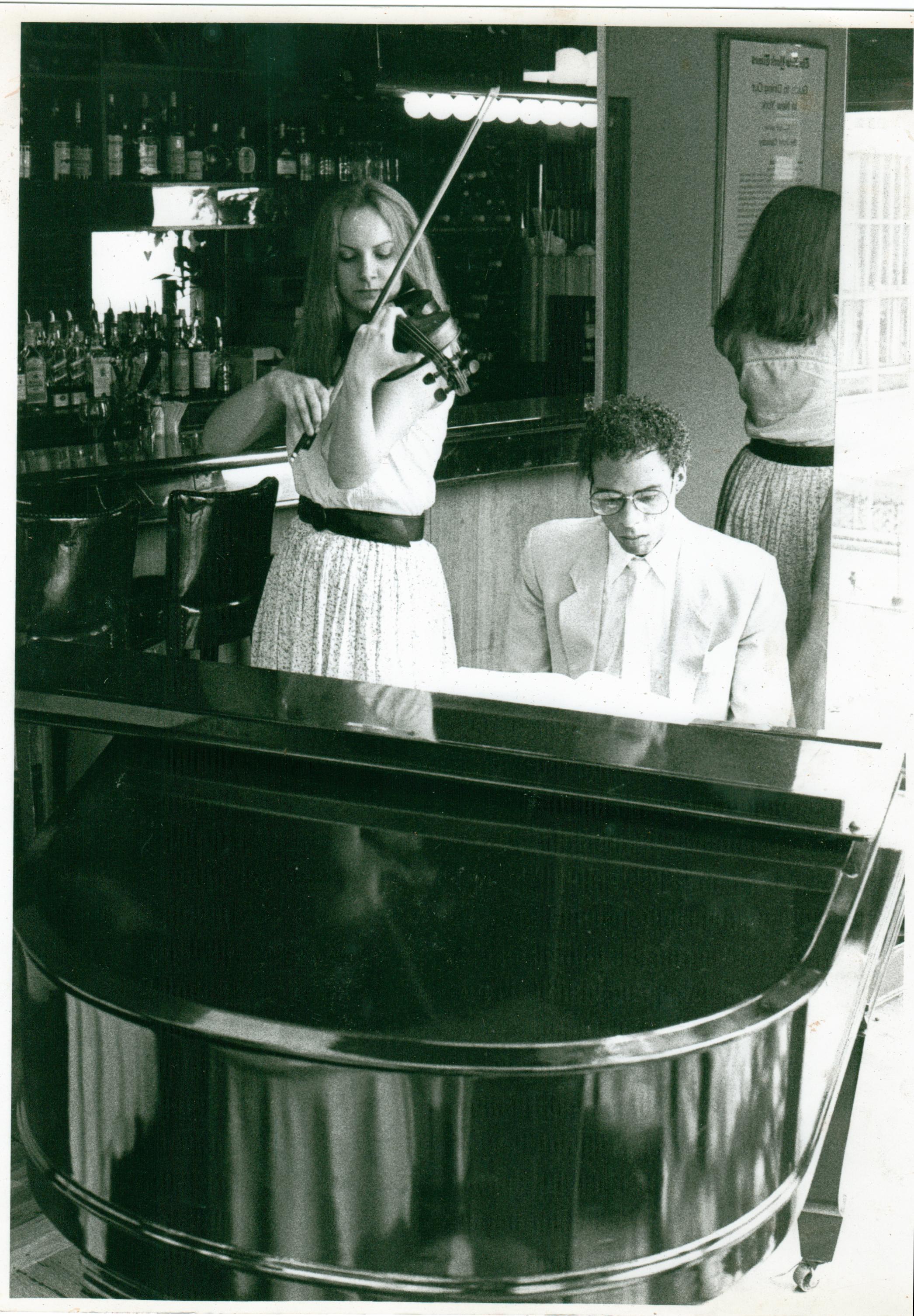
Performance artists, including musicians, dancers, and actors, gain valuable knowledge by studying the history of music and performance. They discover how musical styles, theatrical traditions, and performance techniques developed across generations. Understanding this history allows them to appreciate the foundations of their art and recognize the influences that shape contemporary performances.
Developing Creativity and Artistic Identity
Studying history does not mean simply copying the works of artists from the past. Instead, it provides a foundation from which artists can create something new. Historical knowledge exposes artists to many ideas, styles, and methods that can inspire their own creative work.
Visual artists can study the use of color, composition, symbolism, and form in historical artworks. By understanding how earlier artists solved creative problems, they can experiment with new approaches and develop their own visual style. For example, learning about Impressionism may inspire an artist to explore light and color in a contemporary way.
Literary artists can study how writers from different periods used metaphor, symbolism, dialogue, and narrative structure. These techniques can help writers create original stories, poems, and essays. A writer who understands traditional storytelling can also challenge those traditions and develop new forms of expression.
Performance artists can explore different musical genres, theatrical methods, and dance traditions. Studying the history of jazz, classical music, folk music, or contemporary performance can encourage artists to combine influences and create new works. Historical knowledge therefore becomes a source of creative freedom rather than a limitation.
Preserving Culture and Cultural Heritage
Art, literature, and music are important records of human history. They preserve the traditions, beliefs, struggles, celebrations, and experiences of communities. Artists who study history develop a greater understanding of the cultural heritage that has shaped their societies.
Visual artworks often reveal how people lived, what they valued, and how they understood the world. Paintings, sculptures, architecture, and photographs can provide evidence of historical events and cultural practices. By studying these works, visual artists learn to appreciate the importance of preserving cultural identity.
Literary works also preserve the language, stories, and experiences of different communities. Poems, novels, legends, and oral traditions help future generations understand the lives and beliefs of those who came before them. Literary artists who study these works can help keep important stories alive while presenting them in ways that are relevant to modern audiences.
Music and performance are equally important to cultural preservation. Traditional songs, dances, ceremonies, and theatrical performances carry the memories and identities of communities. Performance artists who study music history and traditional performance practices can understand the meaning behind these forms and help ensure that cultural traditions continue to be valued.
Through the study of history, artists become more aware of their responsibility to respect, preserve, and creatively continue the cultural heritage of their communities.
Learning from the Experiences of Earlier Artists
Artists throughout history have faced challenges involving society, politics, identity, poverty, discrimination, and artistic freedom. Studying their lives and works allows present-day artists to learn from their experiences and understand the conditions that influence creative expression.
Visual artists can examine how artists such as Frida Kahlo used personal experiences and cultural identity in their work. Literary artists can learn from authors who used writing to explore social injustice, human relationships, and personal struggles. Performance artists can study musicians and performers who challenged established traditions or created new artistic movements.
These historical examples demonstrate that art is not only about beauty or entertainment. It can also be a way to express personal experiences, question social conditions, and communicate important ideas. By learning about the experiences of earlier artists, students can develop confidence in their own voices and recognize the importance of perseverance, experimentation, and artistic integrity.
Strengthening Critical Thinking and Artistic Appreciation
Another important benefit of studying art, literary, and music history is the development of critical thinking. Artists need to understand not only how to create a work but also why it matters and how it communicates with an audience.
Studying history teaches artists to analyze artistic choices, cultural influences, and the meaning of creative works. Visual artists learn to examine composition, symbolism, and technique. Literary artists analyze themes, language, characters, and narrative structure. Performance artists study rhythm, melody, movement, acting, and the relationship between performers and audiences.
This analytical knowledge helps artists make more thoughtful creative decisions. It also enables them to appreciate works that may differ from their own personal tastes. By understanding the historical context of a work, artists can develop greater respect for different cultures, artistic movements, and creative perspectives.
Critical thinking also encourages artists to question assumptions and explore new possibilities. This is especially important in a world where art continues to change through technology, globalization, and new forms of communication.
Connecting the Past with the Present
Although history focuses on the past, its lessons remain valuable in the present. Contemporary artists often draw inspiration from historical styles, themes, and traditions while adapting them to modern society.
Visual artists may combine traditional painting techniques with digital media. Literary artists may reinterpret myths, historical events, or classic stories through modern novels, poetry, and film scripts. Performance artists may blend traditional music with electronic sounds, or combine classical theater with contemporary performance methods.
These examples show that the arts are constantly developing through the relationship between the past and the present. Artists who study history are better prepared to recognize these connections and contribute to the evolution of their fields.
Studying history also helps artists understand how audiences and societies change. This awareness allows them to create works that are both meaningful and relevant to contemporary experiences.
Conclusion
The study of art history, literary history, and music history is essential for visual, literary, and performance artists because it provides knowledge, inspiration, cultural awareness, and creative direction. It helps artists understand the development of artistic expression, learn from the experiences of earlier generations, preserve cultural heritage, and strengthen their ability to think critically. More importantly, history teaches artists that their work is part of a much larger human tradition.
Visual artists, literary artists, and performance artists do not create in isolation. They build upon the ideas, techniques, and experiences of those who came before them while contributing their own perspectives to the future. By studying the history of their respective fields, artists can develop their skills, discover their unique voices, and create works that connect people across generations. Therefore, understanding art, literary, and music history is not only an academic responsibility but also an important foundation for becoming a knowledgeable, creative, and culturally aware artist.
— Adam Donaldson Powell
Leave a Reply