Illiteracy was far more widespread during the Dead Sea Scrolls era than during the early Renaissance.
While both periods relied heavily on oral culture for the average person, the structural availability of reading and writing expanded dramatically by the early Renaissance.
1. The Era of the Dead Sea Scrolls (c. 3rd Century BCE – 1st Century CE)
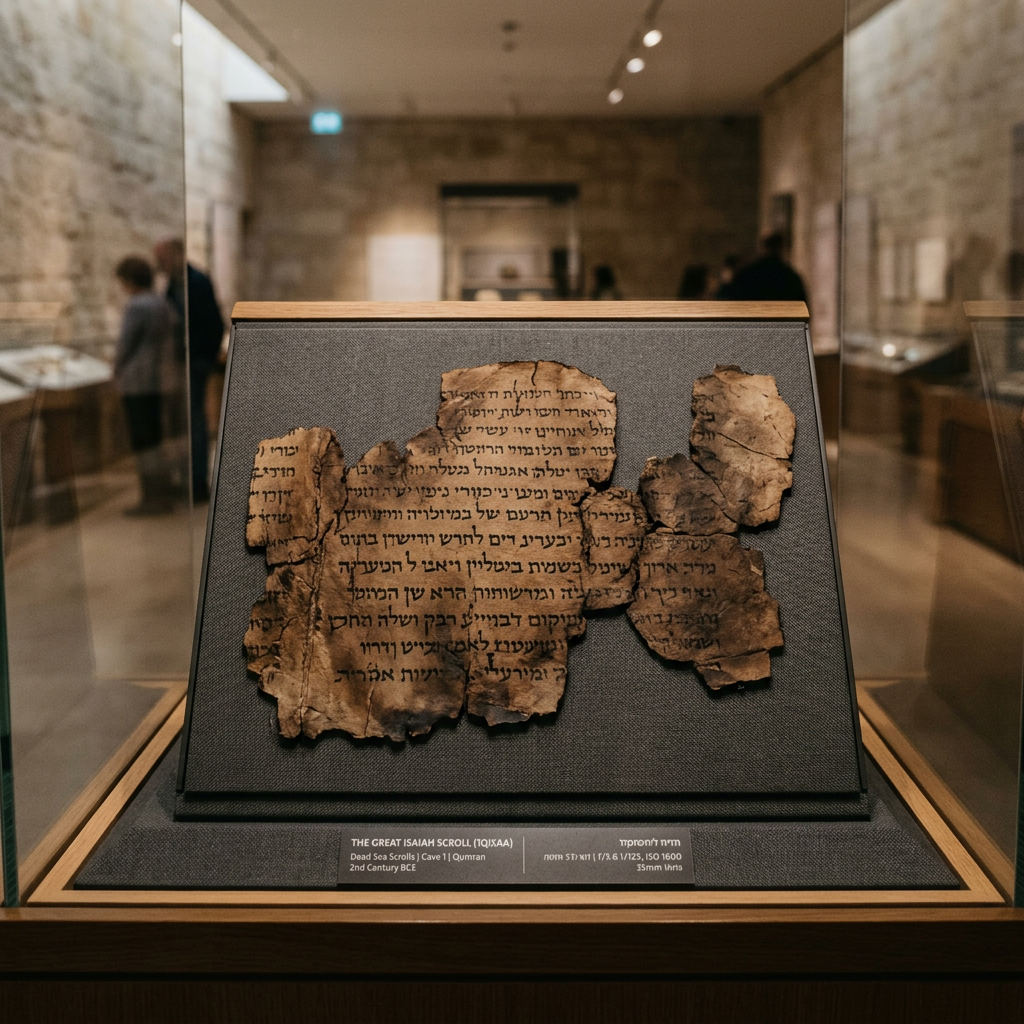
During the Second Temple period in Judea, reading and writing were specialized skills restricted primarily to political elites, wealthy families, scribes, and priests.
Academia.edu
- Estimated Illiteracy Rate: Historians estimate illiteracy across ancient Judea to be roughly 90% to 97%.
- Access to Texts: Texts were hand-copied on parchment or papyrus, making books prohibitively expensive and rare. Academia.edu
- Nature of Literacy: The vast majority of the population experienced scripture and laws orally—hearing texts read aloud by scribes or religious leaders rather than reading directly. The Dead Sea Scrolls themselves were likely produced and preserved by a small, highly literate, and elite sectarian community (such as the Essenes). Academia.edu
2. The Early Renaissance (c. 14th – 15th Century CE)
While illiteracy was still high in Europe compared to modern standards, the early Renaissance saw significant growth in basic reading and writing, particularly in urban areas.
KGCOE and Cary Projects – WordPress.com
- Estimated Illiteracy Rate: Broad estimates for Western Europe suggest illiteracy was around 70% to 80% overall, but this varied sharply by region, gender, and social class. Reddit
- Urban vs. Rural Differences: In major merchant hubs like Florence or Venice, literacy rates among adult men rose to between 30% and 60% due to the growth of trade, bureaucracy, and vernacular schooling.
- Impact of Technology: The arrival of the movable-type printing press around 1450 radically lowered the cost of books, making written material significantly more accessible toward the end of the early Renaissance.
Key Comparison
| Feature | Dead Sea Scrolls Era (Second Temple Judea) | Early Renaissance Europe |
|---|---|---|
| Estimated Illiteracy | ~90% – 97% | ~70% – 80% (Much lower in trade hubs) |
| Primary Medium | Hand-copied scrolls (parchment/papyrus) | Manuscripts & early printed books |
| Who Could Read? | Elite scribes, priests, upper class | Merchants, artisans, clergy, urban elites |
| Economic Need | Agricultural economy; low administrative need for laymen | Commercial economy; high need for bookkeeping & trade receipts |
In short: Illiteracy was nearly universal among ordinary people during the Dead Sea Scrolls era. By the early Renaissance, while rural illiteracy remained high, urban commerce and wider access to education had created a much larger literate middle class.
Academia.edu
Leave a Reply