DEATH POEM
A prose poem inspired by the story of Keiji and Ichiro
There are journeys that begin with the promise of spring and end beneath the snow of an approaching winter. There are departures that carry us towards the farthest reaches of the world, and others that lead us only deeper into ourselves, where the heart becomes a country without borders and sorrow the only language we know how to speak. And there are fathers who love their sons so desperately that they would rather lose them to death than discover that love has never belonged to them.
Ichiro boarded the train in Osaka with a book concealed beneath a cloth cover, a young man’s secret pressed against his chest. Outside, the landscape slipped away in fragments of green and grey, villages and rooftops, the fleeting faces of strangers. He was twenty-one and travelling towards the future. Tokyo waited at the end of the line, and beyond Tokyo lay Norway, the country of salmon and fjords, of mountains rising into the pale northern sky. Beyond Norway lay the life he and Keiji had imagined together, a life in which two men might walk beside one another without having to explain the nature of their happiness.
He did not yet know that some journeys carry the shadow of their ending from the very beginning.
Across the narrow aisle sat a stranger with observant eyes, a man who could read the movements of a face as other men read the weather. Chokichi, the aspiring actor, studied the blush upon Ichiro’s cheeks and the small, involuntary smiles that escaped him as he read. Perhaps he recognised something familiar in the young man’s embarrassment: the private theatre of desire, the comedy of concealment, the tragedy of all those who must become actors simply to survive their own lives.
When they parted in Tokyo, Chokichi gave Ichiro his card and wished him a wonderful journey. He asked him to bring something of Europe back to Japan, something more than photographs.
Ichiro laughed.
He would bring back the memory of mountains, perhaps, and the taste of foreign food, the colour of northern light, the sound of another language. He would bring back photographs of himself and Keiji, standing together beneath unfamiliar skies. He would bring back the proof that somewhere in the world there was room for them.
He did not know that the most important thing he would bring back would be the memory of a man who had disappeared into the sea.
Keiji had spent eight months living in the cold country of his father’s silence.
There had been no shouting in the house, no broken furniture, no violence that a neighbour might have heard through a wall. There had been only the terrible absence of ordinary tenderness: the eyes that would not meet his, the answers reduced to the necessary minimum, the atmosphere of a home in which a son could sit at the family table and feel himself already dead.
His father, Sadao, had once possessed the authority of a man who believed the world could be arranged according to his wishes. He had a respectable position, a respectable family, a respectable future to defend. But somewhere within the machinery of his success, the gears had begun to turn against him. Corruption investigations crept closer. Colleagues whispered. The possibility of disgrace settled upon his shoulders like an invisible hand.
Then came the rumour that his son had been seen in Shinjuku ni-chome.
One rumour, and the architecture of his pride began to tremble.
Sadao had imagined his son becoming a man like himself, perhaps a little more successful, perhaps a little more fortunate, carrying the family name into another generation. He had not imagined a son who would choose fashion over shipping, desire over obedience, a life of his own over the life prepared for him. He had not imagined that the boy whose childhood he had once held in his hands would grow into a man whose heart he could neither command nor comprehend.
And so Keiji confessed.
He confessed because lying to his parents would have been a sin, although the truth would become his punishment. He confessed that he was gay. He confessed that Ichiro was not merely his friend. He confessed to the love that had sustained him, the love that had made it possible to endure the long afternoons and silent evenings of his father’s disapproval.
He told the truth and lost his home.
His father did not strike him. He did something more enduring: he made his son feel that his very existence was an accusation.
Keiji washed his hands. He showered until his skin grew tender. He tried to remove the invisible stain of being himself, as though shame were a substance that could be dissolved in hot water and carried down a drain. But each morning it returned. It waited in the corridors, sat beside him at meals, followed him into his bedroom, and settled upon his pillow when he tried to sleep.
Sometimes he could not leave the house. Sometimes his heart raced so violently that the world seemed to close around him. Sometimes he imagined disaster waiting just beyond the door, an accident, a sudden illness, an unknown hand reaching out of the darkness.
He was afraid of dying.
He was also afraid of continuing to live as though he had already died.
Ichiro understood what he could. He offered companionship, patience, the promise of another city. He did not pretend to possess the cure for the sadness that lived inside Keiji. He knew only that love could offer a hand in the darkness, and that sometimes a hand was all a person could bear to accept.
On Keiji’s twenty-second birthday, they made their decision.
Tokyo would become their refuge. They would leave Yokohama behind and begin again, two men making a home from whatever the world permitted them to keep.
There would be no more pretending to be only friends.
There would be no more asking permission to love.
At least, that was the promise.
At Narita Airport, Ichiro saw Keiji approaching in a red shirt, white trousers, and a black jacket. His friend looked radiant, almost impossibly healthy, as though he had stepped out of a photograph taken before sorrow was invented.
But the face was a mask. Beneath the cosmetic cream and the carefully arranged clothes, Keiji carried the sleepless nights, the headaches, the pain in his back, and the exhaustion of having tried one last time to be accepted by his father.
They embraced.
For a moment, the world was kind.
Ichiro touched him with the easy affection of someone who had waited too long to be permitted such freedom. Keiji laughed, and when tears threatened to undo his disguise, he rubbed them away with an impatient hand.
Then they bought breakfast and coffee, and the great machinery of departure began to turn.
They spoke of Norway, of the cities they would visit, of the northern coast and the famous ship that would carry them through the fjords. They spoke of the freedom they had imagined in their books and on their computer screens, of the men who walked openly together in foreign cities, of a world in which love might be allowed to exist without first presenting its credentials.
And when they held hands in the airport, Keiji looked around.
No one was watching.
A couple passed them, one man kissing the other lightly on the cheek. The gesture was so ordinary that its extraordinary nature became almost unbearable.
Keiji looked at Ichiro and kissed him.
For a second, the old world loosened its grip.
I am no longer in my father’s house.
He said it almost as though he were discovering the words for the first time.
Then they boarded the aeroplane.
Somewhere between Japan and Europe, Sadao’s final message entered the hands of his son.
It arrived in an envelope, sealed and entrusted to the future, carrying the weight of a decision already made. Keiji had imagined an apology. Perhaps a few awkward words of reconciliation, a sentence that might permit the father and son to begin again without either having to admit how deeply they had wounded the other.
Perhaps love had finally found a way through the walls.
But the paper held a different kind of message.
It was a death poem.
The old images gathered themselves upon the page: the fading light of autumn, the cherry blossom that cannot remain upon the branch, the setting sun, the distant mountain beneath its mantle of snow. Nothing was said plainly. Death did not need to announce itself. It had been dressed in the garments of tradition and offered to the son as a final inheritance.
Sadao had chosen the ancient form of the jisei, the poem of departure, and clothed his intention in the austere beauty of the waka.
The words were beautiful.
That was the cruelty of it.
Keiji read them, and the future he had imagined collapsed in an instant. His father’s last communication was not an invitation to forgiveness but an announcement that forgiveness had arrived too late. It was a door closing from the other side, a voice that had refused to speak in life now speaking with terrible eloquence from the threshold of death.
Keiji wept.
He cursed the man who had fathered him. He cursed the arrogance that had mistaken obedience for love and shame for honour. He cursed the poem, the tradition, the terrible inheritance of silence. He wondered whether his father had understood what he was doing, whether he had known that a son could be wounded as deeply by an absence as by a blade.
And beneath his anger, another thought began its slow and poisonous work.
If I had not been seen in Shinjuku ni-chome.
It was a small sentence, but it contained an entire prison.
If he had chosen another profession. If he had hidden the truth. If he had remained silent. If he had been a different son, a different man, a different creature altogether. If he had found a way to become what his father needed him to be.
Perhaps his father would still be alive.
Perhaps the family would still be whole.
Perhaps the world would have remained as it was.
But the world had never been whole. It had merely been quiet.
Ichiro held him and begged him to telephone home when they arrived in Norway. There might still be time. A message might be intercepted, a decision reversed, a life saved. The past had not yet become entirely inaccessible.
But Keiji withdrew into the silence he knew so well.
His father had never bluffed, he said. The family was already ashamed. The tragedy had already begun. To return now would be to surrender the one thing he had managed to claim for himself: the right to leave.
He folded the poem into a paper crane.
The paper was light. His hands were not.
He placed the little bird inside his wallet, close to his body, and turned towards the window. Below them, clouds drifted over the immense distance between the country he had left and the country he had not yet learned to call his own.
He slept.
Ichiro watched him, and somewhere in the depths of his own heart he began to fear that the journey had already changed its destination.
Norway received them with rain.
In Oslo, the sky hung low over the city, and the streets shone beneath the wet light of spring. They reached their hotel exhausted, their bodies heavy with travel and their minds unable to comprehend everything that had happened. Ichiro pushed their beds together, drew the curtains, and helped Keiji undress.
They slept beside one another, two young men at the beginning of a new life, though one of them had already begun to retreat from it.
When Keiji awoke, he sat at the desk and wrote in his diary.
Ichiro saw the open pages and felt the temptation to read them. They had shared so much that privacy sometimes seemed like an unnecessary border between them. But he stopped himself. There were places inside Keiji that even love must enter gently, and there were wounds that could not be healed by being examined.
He understood, at least, that the silence of a father could become a voice inside a son, repeating its accusations long after the father had left the room.
The old shame was a form of violence that required no raised hand.
That evening, Keiji invited him into the shower. They washed one another, kissed, and returned to bed. For the first time in weeks, they made love without the sensation that someone might be listening beyond the walls.
Afterwards, they ate sandwiches and watched television, laughing at an American comedy whose jokes they only partly understood. Outside, the Norwegian evening settled softly over the city.
Ichiro was happy.
He watched the man beside him, the familiar curve of his shoulder, the delicate movements of his hands, the expression that came over his face when he laughed without remembering to be afraid.
For a little while, Keiji was happy too.
His pain receded. The headaches diminished. His body seemed to understand what his mind could not yet accept: that it was possible to exist without apology, that a room could be a refuge, that love did not always have to hide.
They had come a long way to discover the ordinary miracle of being together.
And yet, beneath the quiet of that first evening, another season was approaching.
They wandered through Oslo beneath a changing sky.
Ichiro collected museums as other men collected souvenirs. He followed the stories of ships and explorers, the photographs of distant places, the evidence of human beings who had ventured into the unknown and returned with tales of what they had found. Keiji preferred the sculptures of Vigeland Park, where bodies leaned into one another, reached upwards, struggled, embraced, and endured.
Perhaps he recognised something of himself in those figures, their stone faces turned towards a sky that offered neither judgment nor consolation.
They ate fish and potatoes, Turkish food and Indian curries. They drank beer and walked through streets in which strangers passed one another without asking what right they had to exist. They visited a gay bar and found it nearly empty, but even its emptiness pleased them. They had not come to Norway to collect adventures from a catalogue. They had come to inhabit their own lives.
Then came the seventeenth of May.
The city erupted into colour. Flags fluttered above the streets, children marched in traditional costumes, strangers smiled at strangers, and the whole country seemed to have gathered in celebration of its own existence.
Keiji watched the crowds with astonishment.
How strange, he thought, that a society could make a public ceremony out of belonging. How strange that people could display their identity in the open air and have it welcomed rather than whispered about. There was music, laughter, food, and the joyful disorder of a people permitted to celebrate themselves.
He and Ichiro drank too much beer, ate too many hot dogs and cakes, and returned to their hotel with aching stomachs and happy hearts.
That night they packed their bags.
They had photographs to remember Oslo by, and the memory of a city that had given them, however briefly, the feeling that the world might be large enough for two men who loved each other.
Tomorrow they would travel west.
Beyond the mountains lay Bergen, and beyond Bergen the long coastal voyage into the northern reaches of Norway, where the sea entered narrow fjords and the mountains rose from the water like the walls of an ancient kingdom.
They were going north towards the light.
Neither understood how far away they were already travelling from one another.
Bergen was bright with sunshine when they arrived.
The harbour glittered, the old buildings stood in their colours beside the water, and the air carried the promise of a journey into landscapes too immense to be contained by a camera. They ate fish at a small restaurant, bought dried Norwegian cod, and made their way to the ship.
Before boarding, Keiji asked whether a message had arrived from Japan.
There was none.
He went to their cabin while Ichiro explored the vessel, looking out at the harbour, the ropes, the movement of the crew, the preparations for departure. Everything seemed ordinary. The ship would sail at eight, and they would meet later for a drink.
At ten o’clock, Ichiro waited.
Ten fifteen.
Ten thirty.
The minutes accumulated, and the uneasiness inside him grew into something he could no longer dismiss. Keiji was not in the bar. He was not in their cabin. He was not anywhere Ichiro thought to look.
Then he remembered the diary.
The open page.
The sentence he had begun to read in Oslo, before conscience had stopped him.
The softness of the approaching winter is apparent even in the quiet, cotton-like skies on the Norwegian horizon.
Ichiro found the diary and read on.
Keiji wrote that he could neither go back nor remain away. That returning to Japan would mean surrendering himself to the life he had escaped, while staying in Norway would mean carrying the burden of his father’s death into every future he might have tried to build.
He wrote of the impossibility of belonging to two worlds that demanded incompatible forms of loyalty. He wrote of shame, of sorrow, of the exhaustion of being a son who could not become what his father wanted and a man who could no longer endure what that failure had made of him.
And then he wrote of joining his father in eternal solitude.
The words did not shout.
They did not need to.
Ichiro stood with the diary in his hands, and the ship seemed suddenly to have become an enormous room from which every door had disappeared.
He understood, at last, the meaning of the approaching winter.
Keiji had gone to the sea.
Outside, Norway lay beneath its immense and indifferent sky. The mountains stood in the distance, dark against the fading light. The water moved beside the vessel with the same quiet persistence with which time moves beside every human life, carrying away the things we cannot hold and reflecting, for a moment, the faces of those who look into it.
Ichiro felt the first tear slide down his cheek.
He had crossed half the world to be with the man he loved. He had travelled through airports, across borders, over mountains and beneath unfamiliar skies. He had watched Keiji smile in the streets of Oslo, kiss him without fear, and sleep beside him in the small, warm shelter of a hotel room.
He had believed that distance might be the answer.
But distance had not been the enemy.
The enemy had travelled with them, folded into a letter, concealed in a wallet, written in the old language of honour and disgrace. It had been waiting in every unspoken sentence, every inherited expectation, every moment when love was offered and could not quite be accepted as sufficient reason to remain alive.
Ichiro passed the information desk.
The young woman behind the counter smiled and told him that an urgent message had arrived from Japan.
He looked at her through his tears.
Thank you, he said. I will tell him.
And then he carried the diary to the captain’s office.
He did not look out at the sea.
Perhaps he feared that the water would offer him an answer. Perhaps he feared that it would offer none. Perhaps he knew that there are moments when the human mind cannot bear the sight of the thing it has lost, because the world continues so beautifully around it.
The ship moved north.
Somewhere behind it, the wake opened and closed, leaving no permanent mark upon the water.
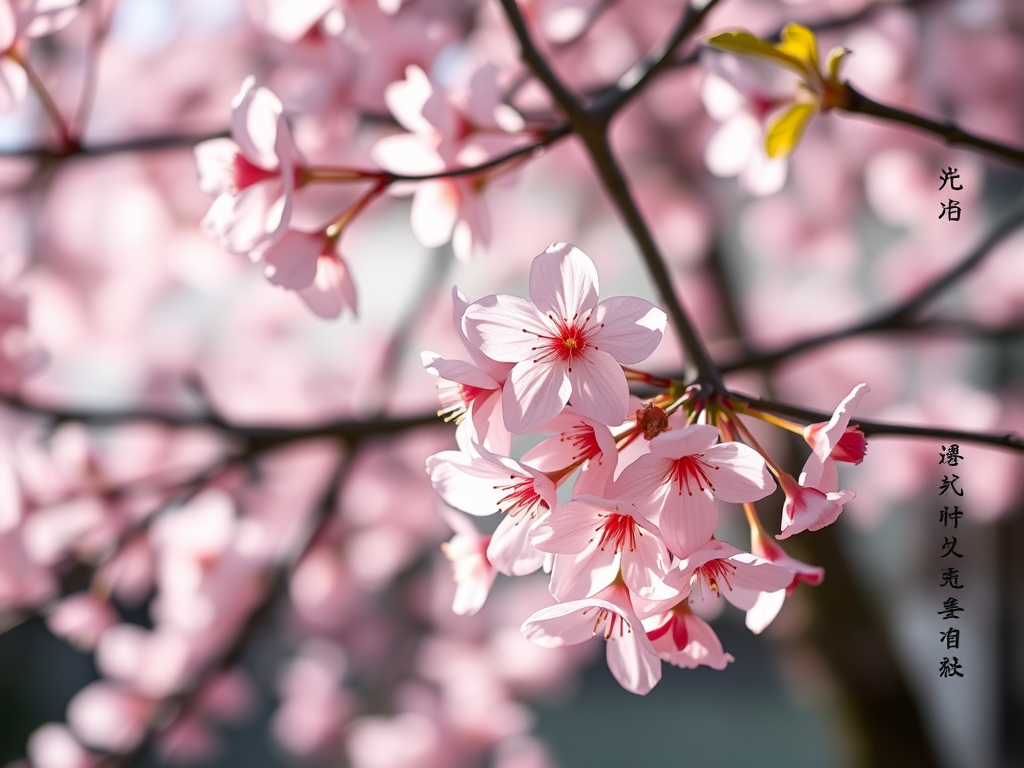
There is an old sadness in the cherry blossom.
It flowers with such extravagant tenderness, covering the branches in a splendour that seems almost to deny the possibility of its own ending. Then the wind comes, and the petals loosen. They drift across paths and water, settle upon shoulders, gather in the corners of gardens, and disappear beneath the feet of those who have come to admire them.
We call this beauty.
We call it transience.
We have invented poems to make the departure bearable, rituals to give shape to the unbearable, and traditions to persuade ourselves that the end of a life may be transformed into something meaningful by the manner in which it is announced.
But a beautiful death is still a death.
A father’s final poem cannot restore the years in which he withheld his love. A son’s suffering cannot repair the wound of a father’s pride. And the language of honour cannot make shame less destructive simply because it has been handed down through generations and written in an elegant hand.
The tragedy of Sadao and Keiji was not that they were too different to love one another.
It was that they could not find a language in which their love could survive the fear that surrounded it.
One man turned his suffering into a final declaration. The other turned his suffering inward, until he could no longer imagine a future beyond it. Between them stood a son who had spent his life trying to become acceptable, and a father who had mistaken acceptance for defeat.
And between Keiji and Ichiro stood the terrible distance between loving someone and being able to save them.
Ichiro would return to Japan.
He would carry the photographs, the memories, the diary, and the image of a small paper crane folded from a poem that had never needed to speak the word death. He would remember the red shirt Keiji wore at the airport, the warmth of his hand in Paris, the laughter in their hotel room, the statues in the park, the sunshine over Bergen, and the last evening when he waited for someone who would never return to their cabin.
He would remember, too, the life they had almost begun.
Perhaps, in the years to come, he would think of Chokichi’s parting words: Most only bring back photographs.
And he would understand their sorrowful truth.
A photograph can preserve the appearance of happiness, but it cannot preserve happiness itself. It can hold the face of the beloved without holding the beloved’s warmth. It can show two men standing together beneath a foreign sky, but it cannot tell us what either of them was afraid to say.
There are absences no photograph can explain.
There are letters whose words remain legible long after their meaning has destroyed the lives of those who read them.
And there are poems that become death sentences not because the words themselves are cruel, but because the love that should have accompanied them was never spoken in time.
Perhaps the greatest tragedy is that Keiji and Sadao both longed for an end to their suffering, yet neither could imagine a way towards reconciliation that did not require the destruction of the self.
Perhaps the greatest cruelty is that Ichiro, who had crossed the world believing that love might be enough, discovered how helpless love can feel when it arrives at the edge of another person’s despair.
Yet love was there.
It was there in the hand held briefly in the airport, in the kiss offered without fear, in the beds pushed together in Oslo, in the sandwiches eaten beneath the curtains, in the patience with which Ichiro tried to understand what he could not cure. It was there in the life they had made possible, even if they could not make it last.
And perhaps this is what must finally be remembered.
Not the father’s last poem, but the son’s first confession.
Not the blade that ended a life, but the hand that reached across the distance between two young men and found another hand waiting.
Not the shame that demanded silence, but the love that dared, for a little while, to speak its name.
Outside, the Norwegian mountains wore their distant snow. The sea moved beneath the ship, dark and immeasurable. Above the horizon, the last light of day gathered itself into a narrow line of red, as though the sky had been wounded and was slowly closing around the wound.
Red on red.
Luck is fleeting.
The cherry blossoms fall. The paper crane remains folded in the memory of a hand. The ship continues northward, carrying its living passengers through the silence of the fjords.
And Ichiro, who had travelled so far to discover the freedom of being himself, must now learn to live in a world where the man he loved is gone.
He must learn that survival is not the same as betrayal.
That grief is not the same as shame.
That a life may be broken without becoming worthless.
And that the dead do not always leave us wisdom. Sometimes they leave us only questions, and the terrible responsibility of refusing to let those questions become our own ending.
The sea does not answer him.
The mountains do not answer him.
The northern sky opens above the water, vast and cold and indifferent, while somewhere beyond the horizon another morning waits to begin.
And in that approaching light, the last poem is not Sadao’s.
It is Ichiro’s.
A poem without a blade, without an envelope, without the finality of a father’s pride.
A poem written in the language of the living.
A poem that says: I loved you. You were here. You mattered. Your life was never a disgrace.
A poem that says: I will remember.
A poem that says: I will stay.
___________________________
🇯🇵
死の詩
――慶二と一郎の物語に寄せた散文詩
春の訪れとともに始まり、やがて来る冬の雪の下で終わる旅がある。
世界の果てを目指して出発する旅もあれば、自分自身の奥深くへと降りてゆく旅もある。心が国境のないひとつの国となり、悲しみだけがそこで通じる言葉となるような旅も。
そして、自分の息子をあまりにも強く愛するがゆえに、その息子の心が自分のものではないと知るくらいなら、いっそ死によって失うことを選んでしまう父親たちがいる。
一郎は大阪から東京へ向かう新幹線に乗り込んだ。布で覆った本を鞄に忍ばせ、若者の秘密を胸に抱いていた。窓の外では、緑と灰色の風景が断片となって流れ去ってゆく。小さな町、屋根の連なり、すれ違う見知らぬ人々の顔。
二十一歳の一郎は、未来へ向かって旅をしていた。
終点には東京が待っていた。そして東京の向こうにはノルウェーがあった。鮭とフィヨルドの国。淡い北国の空に向かって山々がそびえ立つ国。
さらにその向こうには、慶二と一郎がともに夢見てきた人生があった。
二人の男が、自分たちの幸せがどのようなものであるかを、誰にも説明する必要なく、肩を並べて歩ける人生。
そのときの一郎は、まだ知らなかった。
旅のなかには、出発したその瞬間から、すでに終わりの影を宿しているものがあることを。
狭い通路を挟んだ向かい側には、観察力の鋭い目をした男が座っていた。ほかの人々が空模様を読むように、その男は人の顔のわずかな動きを読み取ることができた。
俳優を目指す長吉は、本を読みながら頬を赤らめたり、思わず小さな笑みを漏らしたりする一郎の様子を観察していた。
彼は、若者の羞恥のなかに、自分にも覚えのある何かを見つけたのかもしれない。
欲望が演じる密やかな芝居。
秘密を守るための滑稽な演技。
そして、自分自身の人生を生き抜くために、いつしか別の誰かを演じることを強いられてしまった人々の悲劇。
東京で別れるとき、長吉は一郎に名刺を渡し、よい旅をと告げた。
そして、ヨーロッパから何かを日本へ持ち帰ってほしいと言った。
写真だけではない、何かを。
一郎は笑った。
山々の記憶だろうか。
異国の食べ物の味だろうか。
北国の光の色、聞き慣れない言葉の響きだろうか。
見知らぬ空の下で並んで立つ、自分と慶二の写真も持ち帰るだろう。
世界のどこかには、自分たち二人がそのままの姿で生きてゆける場所があるのだと、それを証明するものを。
けれども、一郎はまだ知らなかった。
彼が日本へ持ち帰ることになる最も大切なものが、海のなかへ消えてしまった男の記憶になることを。
*
慶二は、父親の沈黙が支配する冷たい国で、八か月を過ごしていた。
家のなかで怒鳴り声が響くことはなかった。家具が壊されることも、隣人の耳に届くような暴力が振るわれることもなかった。
ただ、そこには日常の優しさが欠けていた。
決して合わない視線。
必要最低限に切り詰められた返事。
家族の食卓に座りながら、自分はもうすでに死んでいるのではないかと思わせるような、息の詰まる空気。
父親の貞夫は、かつて、自分の望みどおりに世界を整えることができると信じている男の権威を身につけていた。
立派な地位。立派な家庭。守るべき立派な将来。
しかし、成功という機械の内部で、歯車はいつしか逆方向に回り始めていた。
汚職疑惑の捜査が迫っていた。同僚たちはひそひそと語り合った。失墜するかもしれないという恐怖が、目に見えない手となって彼の肩に置かれていた。
そんなとき、息子が新宿二丁目で目撃されたという噂が届いた。
たったひとつの噂。
それだけで、貞夫が誇りをもって築いてきた世界の構造が、音もなく揺らぎ始めた。
貞夫は、息子が自分のような男になることを思い描いていた。できれば自分よりも少し成功し、少し幸運に恵まれ、家の名を次の世代へと受け継いでゆく男に。
息子が海運業ではなくファッションデザインを選ぶことなど、考えもしなかった。
従順さよりも欲望を、自分のために用意された人生よりも、自分自身の人生を選ぶことなど、想像もしなかった。
かつて幼い息子をその手で抱き上げた父親は、やがて、その息子の心を命令することも、理解することもできなくなっていた。
そして、慶二は告白した。
両親に嘘をつくことは罪だと信じていたから。
たとえ真実が、自分に与えられる罰になろうとも。
自分が同性愛者であること。
一郎が単なる友人ではないこと。
自分を支えてきた愛の存在。
父親の不承認が支配する長い午後も、冷たい沈黙が続く夜も、その愛があったからこそ耐えられたのだということ。
慶二は真実を語り、そして自分の家を失った。
父親は彼を殴らなかった。
それよりも長く心に残ることをした。
息子が存在しているという事実そのものを、罪の告発であるかのように感じさせたのだ。
慶二は手を洗った。
肌がひりつくほど、何度もシャワーを浴びた。
自分が自分であるという、目には見えない染みを取り除こうとした。恥辱というものが、熱い湯に溶け、排水口から流れ去ってくれる物質であるかのように。
けれども、朝になれば、また戻ってきた。
廊下で彼を待ち伏せし、食卓で隣に座り、寝室までついてきて、眠ろうとする彼の枕元に腰を下ろした。
家の外へ出られない日があった。
心臓が激しく脈打ち、世界そのものが自分を取り囲んで閉じてゆくように感じる日があった。
扉の向こうには、事故が、突然の病が、闇のなかから伸びてくる見知らぬ手が待ち受けているのではないかと、恐ろしくなることもあった。
慶二は死ぬことを恐れていた。
それと同時に、すでに死んでしまった人間のように生き続けることも恐れていた。
一郎には、すべてを理解することはできなかった。
それでも彼は、慶二のそばにいることを選んだ。
寄り添うこと。待つこと。別の街で暮らすという約束をすること。
慶二の心に住みついた悲しみを治すことができるなどとは、決して思わなかった。
ただ、愛というものは、暗闇のなかで誰かに手を差し伸べることができる。そして、ときには、その手を受け取ることだけが、人に許される精いっぱいのことなのだと知っていた。
慶二の二十二歳の誕生日に、二人は決心した。
東京を、新しい避難所にしよう。
横浜を離れ、世界が自分たちに残してくれるものだけを持って、もう一度、人生を始めよう。
もう、ただの友人であるふりをする必要はない。
もう、愛することの許しを誰かに請う必要もない。
少なくとも、そのときの二人は、そう信じていた。
*
成田空港で、一郎は慶二の姿を見つけた。
赤いシャツに白いズボン、そして黒いジャケット。
慶二は驚くほど健康そうに見えた。まるで、悲しみというものがまだ発明されていなかった時代に撮られた写真から、抜け出してきたかのようだった。
しかし、その顔は仮面だった。
化粧用のクリームと、念入りに整えられた服の下には、眠れなかった夜があり、頭痛があり、背中の痛みがあり、父親に受け入れてもらおうと最後の努力をした末の疲労が隠されていた。
二人は抱き合った。
ほんの一瞬、世界は優しかった。
一郎は、長いあいだ許されることのなかった愛情を、ようやく自然に表すことのできた人間のように、慶二の身体に触れた。
慶二は笑った。
そして涙が化粧を崩しそうになると、苛立ったように手の甲でそれを拭った。
二人は朝食とコーヒーを買い、出発という名の大きな機械が、ゆっくりと動き始めるのを待った。
ノルウェーの話をした。
訪れる街のこと、北の海岸のこと、フィヨルドを進む有名な船のこと。
本やコンピューターの画面を通じて思い描いてきた自由についても語った。
異国の街を、人目を気にすることなく並んで歩く男たち。
自分たちの愛が、何者であるかを証明しなくても、ただ存在することを許される世界。
空港で二人が手をつないだとき、慶二は周囲を見回した。
誰も見ていなかった。
一組のカップルが通り過ぎた。そのうちの一人が、もう一人の頬にそっと口づけをした。
あまりにも何気ない仕草だった。
だからこそ、その仕草がどれほど特別なものなのか、慶二には耐えがたいほどよくわかった。
彼は一郎を見つめ、口づけをした。
その一瞬、古い世界が二人を縛る力を失った。
「もう、父の家にいるわけじゃないんだ」
慶二は、まるでその言葉を初めて発見したかのようにつぶやいた。
そして二人は、飛行機に乗り込んだ。
*
日本とヨーロッパのあいだのどこかで、貞夫の最後のメッセージが息子の手に渡った。
封筒に封じられ、すでに下された決断の重みを携え、未来へと託された手紙だった。
慶二は、そこに謝罪を想像していた。
不器用な和解の言葉。
どれほど深く傷つけ合ったのかを、どちらも認めずに済むような、父と息子がもう一度やり直すための、ほんの短い一文。
ひょっとしたら、愛はついに壁を通り抜ける道を見つけたのかもしれない。
しかし、封筒のなかにあったのは、まったく別のメッセージだった。
それは、死の詩だった。
紙の上に古いイメージが集まっていた。
色あせてゆく秋の光。
枝にとどまり続けることのできない桜の花。
沈みゆく太陽。
遠い山々を覆う雪。
何ひとつ、はっきりとは書かれていなかった。
しかし、死は自分の名を告げる必要などなかった。
死は伝統という衣装をまとい、父親から息子へ、最後の遺産として差し出されていた。
貞夫は、辞世の詩という古い形式を選んだ。
そして、和歌の厳かな美しさのなかに、自らの意図を包み込んだ。
言葉は美しかった。
それこそが、残酷だった。
慶二がそれを読み終えたとき、自分が思い描いていた未来は、一瞬にして崩れ去った。
父親からの最後の便りは、赦しへの誘いではなかった。
赦しが訪れるには、もう遅すぎるという宣告だった。
向こう側から閉じられる扉。
生きているあいだには語ろうとしなかった声が、死の入り口に立って、恐ろしいほど雄弁に語り始めていた。
慶二は泣いた。
自分を父とした男を呪った。
従順さを愛と取り違え、恥辱を名誉と取り違えた、その傲慢さを呪った。
詩を呪い、伝統を呪い、沈黙という名の恐ろしい遺産を呪った。
父親は、自分が何をしようとしているのか、本当にわかっていたのだろうか。
息子というものは、刃によってだけでなく、不在によっても、同じほど深く傷つけられるのだということを、知っていたのだろうか。
そして怒りの底から、別の考えが、ゆっくりと毒を広げるように浮かび上がってきた。
――あの日、新宿二丁目で目撃されてさえいなければ。
それは短い一文だった。
しかし、そのなかには、ひとつの牢獄がまるごと収まっていた。
別の職業を選んでいたら。
真実を隠していたら。
黙っていたら。
別の息子であったなら。
別の男であり、別の人間であり、まったく異なる生き物であったなら。
父親が望んでいたものになれる方法を、どこかで見つけていたなら。
父は、まだ生きていたかもしれない。
家族は、まだひとつのままだったかもしれない。
世界は、以前と同じ姿を保っていたかもしれない。
けれども、世界は、かつて一度たりとも完全だったことなどなかった。
ただ、静かだっただけなのだ。
一郎は慶二を抱きしめ、ノルウェーに着いたらすぐに家へ電話をするよう、必死に頼んだ。
まだ間に合うかもしれない。
誰かがメッセージを受け取り、決断を覆し、ひとつの命を救うことができるかもしれない。
過去は、まだ完全に手の届かない場所へ去ってしまったわけではない。
しかし慶二は、自分がよく知っている沈黙のなかへと引き下がっていった。
父は決して脅しをかけるような人間ではない。
家族はすでに恥を負っている。
悲劇は、もう始まってしまった。
今、帰ることは、ようやく自分の手でつかみ取ったものを手放すことになる。
それは、自分自身の人生から立ち去る権利だった。
慶二は詩を折り、小さな紙の鶴を作った。
紙は軽かった。
しかし、彼の手は重かった。
彼はその小さな鳥を財布に入れ、身体の近くにしまい込んだ。
そして窓の外に目を向けた。
眼下には雲が流れていた。
自分が去ってきた国と、まだ自分の国と呼ぶことのできない国とのあいだに、途方もない距離が広がっていた。
慶二は眠った。
一郎は彼を見つめていた。
そして心の奥底で、この旅は、すでにその行き先を変えてしまったのではないかと、恐れ始めていた。
*
ノルウェーは、雨とともに二人を迎えた。
オスロの空は低く垂れ込め、春の湿った光のなかで、街路が濡れて輝いていた。
ホテルにたどり着いた二人は、旅の疲れで身体が重く、心は起こった出来事のすべてを理解できずにいた。
一郎は二つのベッドを寄せ、カーテンを閉め、慶二が服を脱ぐのを手伝った。
二人は並んで眠った。
新しい人生の始まりにいる二人の若者。
けれども、そのうちの一人は、すでにその人生から少しずつ遠ざかり始めていた。
目を覚ました慶二は、机に向かって日記を書いた。
一郎は開かれたページを目にし、読んでみたいという誘惑を感じた。
二人はあまりにも多くのことを分かち合ってきた。
だから、プライバシーなどというものは、二人のあいだには必要のない境界線のようにも思えた。
しかし、一郎は思いとどまった。
慶二の心のなかには、愛であっても、そっと足を踏み入れなければならない場所がある。
傷というものは、覗き込んだからといって、癒えるわけではない。
一郎に少なくとも理解できたのは、父親の沈黙が息子の内側でひとつの声となり、父親が部屋を去ったあとも、いつまでも責め続けることがあるということだった。
古い恥辱は、手を上げることさえ必要としない暴力だった。
その夜、慶二は一緒にシャワーを浴びようと誘った。
二人は互いの身体を洗い、口づけを交わし、ベッドへ戻った。
誰かが壁の向こうで聞き耳を立てているのではないかという感覚に脅かされることなく、二人が愛し合ったのは、何週間ぶりのことだったろう。
そのあと、二人はサンドイッチを食べ、テレビを見た。
英語の冗談を半分ほどしか理解できないアメリカのコメディー番組に、二人は声を上げて笑った。
窓の外では、ノルウェーの夕暮れが、街を柔らかく包み込んでいた。
一郎は幸せだった。
隣にいる男を見つめた。
見慣れた肩の曲線。
繊細な指の動き。
恐れることを忘れて笑うとき、その顔に浮かぶ表情。
ほんのしばらくのあいだ、慶二もまた幸せだった。
痛みは遠のいていった。
頭痛は弱まり、身体の痛みも和らいだ。
心がまだ受け入れられずにいることを、身体のほうが先に理解しているかのようだった。
謝罪しなくても、ここにいていい。
この部屋は、自分を守ってくれる場所になり得る。
愛は、いつも隠れていなければならないわけではない。
二人は、互いに一緒にいるという、ごくありふれた奇跡を知るために、はるばる遠くまでやってきた。
それでも、最初の夜の静けさの下では、もうひとつの季節が近づきつつあった。
*
二人は、移り変わる空の下でオスロを歩き回った。
一郎は、ほかの人々が記念品を集めるように、美術館を巡った。
船乗りたちや探検家たちの物語。
遠い土地の写真。
未知の世界へと踏み出し、そこから何かを持ち帰った人々の記録。
慶二が気に入ったのは、ヴィーゲラン公園の彫刻だった。
互いにもたれかかり、上へと手を伸ばし、苦闘し、抱き合い、耐え続ける人間の姿。
そこに立つ石の顔は、裁きも慰めも与えてくれない空を見つめていた。
慶二は、その姿のなかに自分自身の何かを見いだしたのかもしれない。
二人は魚とジャガイモを食べ、トルコ料理やインド料理も味わった。
ビールを飲み、自分たちがここに存在していても、いったい何の資格があるのかと、誰からも問われることのない街を歩いた。
ゲイバーにも出かけたが、店内はほとんど空だった。
それでも、二人は満足していた。
ノルウェーへ来たのは、旅行案内に載っている冒険をひとつずつ集めるためではなかった。
自分たち自身の人生を生きるためだった。
そして、五月十七日がやってきた。
街は色彩にあふれた。
通りには国旗がひるがえり、子どもたちは民族衣装をまとって行進し、見知らぬ者同士が笑顔を交わした。
国全体が、自分たちがここに存在していることを祝うために集まったかのようだった。
慶二は、その光景を驚きとともに眺めた。
なんと不思議なことだろう。
自分がこの社会に属しているということを、公の儀式として祝うことができるなんて。
自分が何者であるかを、人目に触れる場所で表現しても、囁き声で語られるのではなく、歓迎されることがあるなんて。
そこには音楽があり、笑い声があり、食べ物があり、自分たち自身を祝うことを許された人々の、喜びに満ちた混沌があった。
慶二と一郎はビールを飲みすぎ、ホットドッグやケーキを食べすぎた。
そして、胃の痛みと幸せな心を抱えてホテルへ戻った。
その夜、二人は荷物をまとめた。
オスロの記念写真があった。
そして、二人を愛する男たちが生きてゆくには、この世界は十分に広いのかもしれないと、ほんの一瞬でも感じさせてくれた街の記憶があった。
翌日、二人は西へ向かう。
山々の向こうにはベルゲンがあり、その先にはノルウェー沿岸を北へと進む長い船旅が待っていた。
海が細いフィヨルドへと入り込み、山々が古代の王国の城壁のように水面からそびえ立つ、北の世界へ。
二人は光に向かって北上していた。
そのとき、二人はまだ理解していなかった。
互いの心から、どれほど遠くへと離れ始めているのかを。
*
ベルゲンに到着したとき、街は陽光に満ちていた。
港はきらきらと輝き、古い建物はそれぞれの色をまとって水辺に立ち並んでいた。
カメラのなかには収まりきらないほど雄大な風景が、二人の行く手に広がっていた。
小さなレストランで魚料理を食べ、ノルウェー産の干し鱈を買い、二人は船へと向かった。
乗船する前に、慶二は日本からのメッセージが届いていないか尋ねた。
まだ、何もなかった。
慶二は船室へ戻った。
一郎は船内を歩き回り、港を眺め、係留用のロープや、働く乗組員たちの動き、出航の準備を見ていた。
すべては、いつもどおりに見えた。
船は午後八時に出航する。
そのあと、二人はバーで落ち合うことになっていた。
午後十時。
一郎は待っていた。
十時十五分。
十時三十分。
時間が積み重なってゆくにつれて、一郎の胸のなかの不安は、もはや無視することのできない何かへと変わっていった。
慶二はバーにいなかった。
船室にもいなかった。
一郎が思いつく、どこにもいなかった。
そのとき、一郎は日記のことを思い出した。
開かれたページ。
オスロで、良心に促されて読むのをやめた、あの一文。
「近づきつつある冬の柔らかさは、ノルウェーの地平に広がる、静かで綿のような雲にさえ感じられる。」
一郎は日記を見つけ、先を読んだ。
慶二は書いていた。
もう戻ることはできない。
けれども、ここにとどまることもできない。
日本へ帰れば、ようやく逃れた人生に再び身を差し出すことになる。
ノルウェーに残れば、父親の死という重荷を、これから築こうとしていた未来のすべてに背負わせることになる。
互いに相容れない忠誠を求める二つの世界に、同時に属することの不可能さ。
恥辱。
悲しみ。
父親が望む息子になることのできなかった自分。
そして、その失敗が自分にもたらしたものに、もはや耐えられなくなった一人の男。
慶二は書いていた。
父とともに、永遠の孤独へ向かうことを。
その言葉は叫んではいなかった。
叫ぶ必要などなかった。
一郎は日記を手に立ち尽くした。
突然、船そのものが、出口という出口をすべて失った巨大な部屋になってしまったかのようだった。
そして彼は、ようやく理解した。
近づきつつある冬の意味を。
慶二は海へ行ってしまった。
船の外には、果てしなく広がる、無関心なノルウェーの空があった。
遠くには山々が立ち、薄れゆく光のなかで黒々とした影を落としていた。
水は船のそばを流れていた。
それは、人間の一生のそばを時間が流れてゆくのと同じ、静かな執拗さで。
私たちが手にしておくことのできないものを運び去りながら、ほんの一瞬だけ、そこを覗き込む者たちの顔を映し出していた。
一郎の頬を、最初の涙が伝った。
愛する人と一緒にいるために、彼は世界の半分を横断してきた。
空港を通り、国境を越え、山々を越え、見知らぬ空の下を旅してきた。
オスロの街を歩く慶二の笑顔を見た。
恐れることなく自分に口づける姿を見た。
ホテルの小さな部屋で、自分の隣に眠る姿を見た。
距離さえ克服すれば、答えが見つかるのだと信じていた。
けれども、敵は距離ではなかった。
敵は、二人と一緒に旅をしていたのだ。
封筒のなかに折り畳まれ、財布のなかに隠され、名誉と恥辱という古い言葉で書かれたまま。
語られなかった一つひとつの言葉のなかに。
代々受け継がれてきた期待のなかに。
愛が差し出されながら、それだけでは生き続ける理由になり得なかった、あの瞬間のなかに。
一郎は案内カウンターの前を通り過ぎた。
若い女性が微笑み、日本から緊急のメッセージが届いていると告げた。
一郎は涙に濡れた目で彼女を見た。
「ありがとう」
彼は言った。
「彼に伝えます」
そして日記を持って、船長室へ向かった。
彼は海を見ないようにした。
水が答えを与えてくれることを恐れたのかもしれない。
あるいは、何も答えてくれないことを恐れたのかもしれない。
世界がこれほど美しく続いているとき、人間の心は、失ったものを直視することさえできない瞬間がある。
彼は、それを知っていたのかもしれない。
船は北へ進んでいった。
その後方では、航跡が開き、そして閉じていた。
水の上には、何ひとつ永続する痕跡が残されなかった。
*
桜には、古くからの悲しみがある。
桜は、まるで自分がいつか散るという事実を否定するかのように、枝という枝を、あふれるほどの優しさで覆い尽くす。
そして風が吹く。
花びらが枝を離れる。
小道を渡り、水面に落ち、人々の肩に舞い降り、庭の片隅に集まり、やがて、その美しさを見に来た人々の足元で消えてゆく。
私たちは、それを美と呼ぶ。
無常と呼ぶ。
人が去ってゆくことに耐えられるよう、私たちは詩をつくってきた。
耐えがたいものに形を与えるため、儀式を生み出してきた。
人生の終わりでさえ、その告げられ方によって、何か意味のあるものに変えられるのだと信じるために、伝統を受け継いできた。
しかし、どれほど美しい死であっても、死は死である。
父親が最後に詩を残したところで、愛を与えなかった年月が取り戻せるわけではない。
息子の苦しみが、父親の誇りによってつくられた傷を癒せるわけでもない。
そして、名誉という言葉が何世代にもわたって受け継がれ、優雅な筆跡で書き記されてきたからといって、恥辱が人を破壊する力を失うわけではない。
貞夫と慶二の悲劇は、二人があまりにも違っていたために、互いを愛することができなかったということではない。
二人の愛を取り囲む恐怖を越えて、その愛を生かし続けるための言葉を、見つけられなかったことにある。
一人は、自分の苦しみを最後の宣言へと変えた。
もう一人は、その苦しみを自分の内側へと押し込み、ついには、その先にある未来を想像することさえできなくなった。
二人のあいだには、受け入れられる息子になろうと、生涯をかけて努力してきた一人の男がいた。
そして、受け入れることを敗北と取り違えた父親がいた。
慶二と一郎のあいだには、誰かを愛することと、その人を救うことのできる力とのあいだに横たわる、恐ろしい距離があった。
一郎は日本へ帰るだろう。
写真を持ち帰るだろう。
記憶を持ち帰るだろう。
日記を持ち帰るだろう。
そして、死という言葉を一度も書く必要のなかった詩から折られた、小さな紙の鶴の姿を、いつまでも覚えているだろう。
空港で慶二が着ていた赤いシャツ。
パリで触れた彼の手の温もり。
ホテルの部屋に響いた笑い声。
公園の彫刻。
ベルゲンに降り注いでいた陽光。
そして、もう二度と船室へ戻ってくることのない人を、最後に待ち続けた夜。
一郎は、二人がついに始めることのできなかった人生のことも、忘れないだろう。
年月が過ぎたあと、一郎はふと、長吉が別れ際に言った言葉を思い出すかもしれない。
「たいていの人は、写真しか持ち帰らないからね」
そして、その言葉の悲しい真実を理解するだろう。
写真は幸せそうな姿を残すことはできても、幸せそのものを残すことはできない。
愛する人の顔をとどめることはできても、その人の温もりをとどめることはできない。
見知らぬ空の下に並んで立つ二人の男を写すことはできても、二人が何を言えずにいたのかを、語ることはできない。
写真では説明できない不在がある。
読んだ人の人生を壊してしまったあとも、その文字だけはいつまでも読める手紙がある。
そして、詩そのものが残酷だからではなく、本来そこに添えられるべき愛が、間に合ううちに語られなかったために、死の宣告となってしまう詩がある。
最大の悲劇とは、貞夫も慶二も、ともに苦しみの終わりを求めていたのに、自分自身を破壊することなしには和解へと至る道を想像できなかったことなのかもしれない。
そして最大の残酷さとは、愛さえあれば十分だと信じて世界を渡ってきた一郎が、誰かの絶望の淵に立たされたとき、愛がどれほど無力に感じられることがあるのかを知ってしまったことなのかもしれない。
それでも、愛は確かに存在していた。
空港で、ほんのひととき握り合った手のなかに。
恐れずに交わした口づけのなかに。
オスロで寄せ合ったベッドのなかに。
カーテンの閉じられた部屋で食べたサンドイッチのなかに。
自分には治すことのできない苦しみを理解しようとした、一郎の忍耐のなかに。
たとえ長く続かせることができなかったとしても、二人が確かに実現させた人生のなかに。
そして、最後に覚えておくべきものがあるとすれば、それはきっと、こういうことなのだろう。
父親の最後の詩ではなく、息子が最初に告白した真実を。
命を奪った刃ではなく、二人の若者のあいだに横たわる距離を越え、もう一人の手を探し当てた手を。
沈黙を要求した恥辱ではなく、ほんのしばらくのあいだであっても、自らの名を語ることを恐れなかった愛を。
遠く、ノルウェーの山々には雪が残っていた。
船の下では、海が暗く、計り知れない深さを湛えていた。
水平線の上には、夕暮れの最後の光が、細い赤い線となって集まっていた。
まるで空そのものが傷つき、その傷口をゆっくりと閉じようとしているかのように。
赤の上に、赤。
運命は、はかない。
桜は散る。
紙の鶴は、誰かの手の記憶のなかに折り畳まれたまま残る。
船は北へと進み、フィヨルドの沈黙のなかを、生きている人々を乗せてゆく。
そして、自分自身として生きる自由を見つけるために、はるばる旅をしてきた一郎は、愛する人がもういない世界で、生きてゆくことを学ばなければならない。
生き残ることは、裏切ることではないと。
悲しみは、恥辱と同じではないと。
人生は壊れてしまうことがあっても、その価値まで失われるわけではないと。
そして、死者がいつも私たちに知恵を残してくれるとは限らないのだと。
ときには、彼らが残してゆくものは、問いだけである。
そして、その問いを自分自身の終わりにしてしまわないために、生き続けるという、あまりにも重い責任だけなのだ。
海は、一郎に答えない。
山々も、答えない。
北の空は、水の上に広がっていた。
果てしなく、冷たく、無関心に。
しかし、水平線の向こうでは、もうひとつの朝が始まろうとしていた。
そして、その近づきつつある光のなかで、最後の詩は、もはや貞夫のものではなかった。
それは、一郎の詩だった。
刃を持たない詩。
封筒を持たない詩。
父親の誇りがもたらした、最後通告のような終わりを持たない詩。
生きている者たちの言葉で書かれた詩。
そこには、こう記されている。
あなたを愛していた。
あなたは確かに、ここにいた。
あなたは大切な人だった。
あなたの人生は、決して恥ずべきものではなかった。
そして、こうも記されている。
私は、あなたを忘れない。
最後に、こう記されている。
私は、生きてゆく。
Leave a Reply